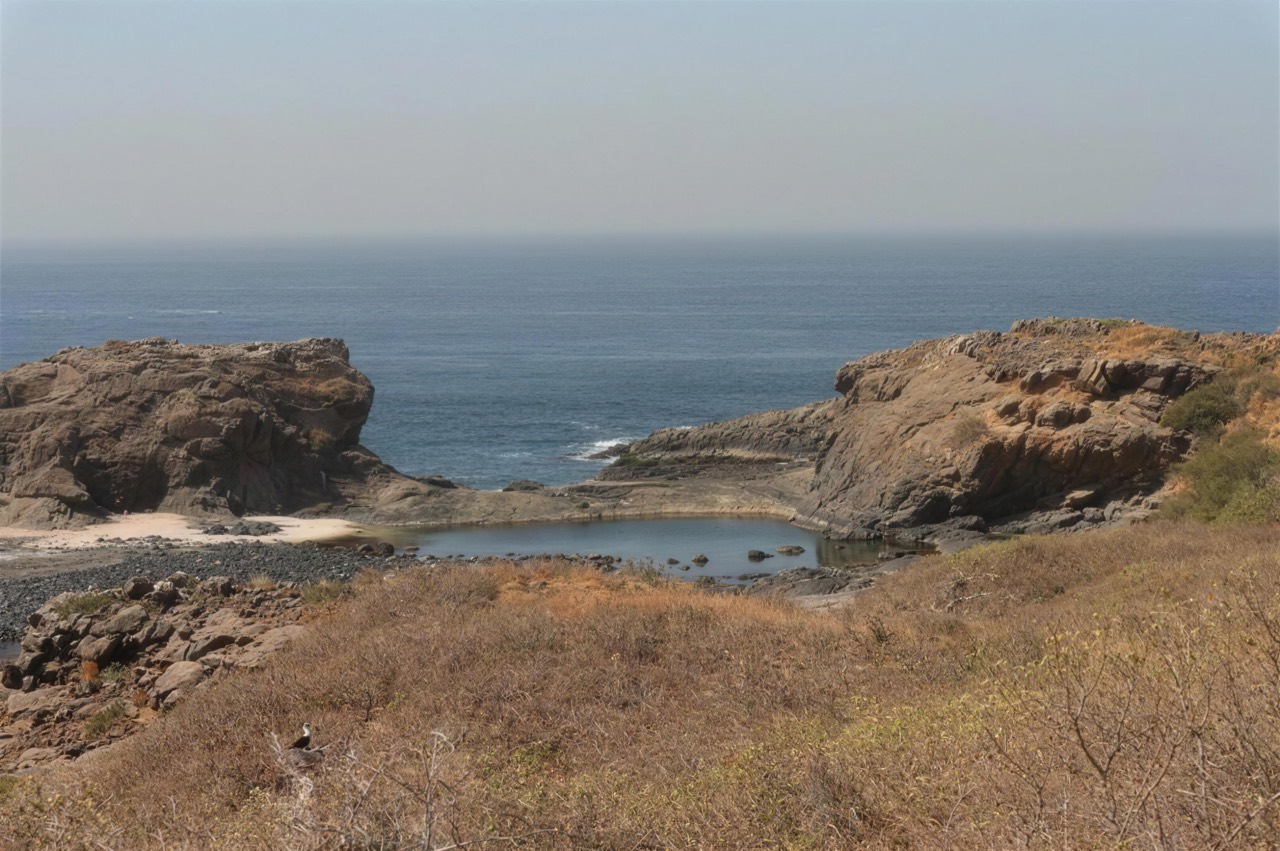
Just four kilometres off the Corniche, the Île des Madeleines rises from the Atlantic like an untouched piece of nature off Dakar. Columnar basalt cliffs, turquoise coves, dwarf baobabs and seabird colonies: this small protected archipelago is one of the best-kept secrets of Senegal’s capital.
In this complete guide, we explain where the Îles de la Madeleine are, what makes this national park so special, the wildlife and plants you can see there, its history and legends, and above all how to get there. At Senegal Nautique, we take groups by boat around the archipelago every week: here we share what we see on site, as well as the rules to know before you go.
Whether you are passing through Dakar for a few days, an expat looking for a different outing or a Dakar resident who has never taken the time to cross over, the Île des Madeleines deserves half a day of your stay. Here is everything you need to know to enjoy it.
In short: the Île des Madeleines is a national park of about 45 hectares, four kilometres from the Corniche Ouest. It can only be reached by sea, either with the park’s pirogues to land with a guide, or by private boat to circle it from the water. Seabirds, basalt columns and the view of Dakar are its three main attractions, and the best time to go is from November to June.
Where is the Île des Madeleines?
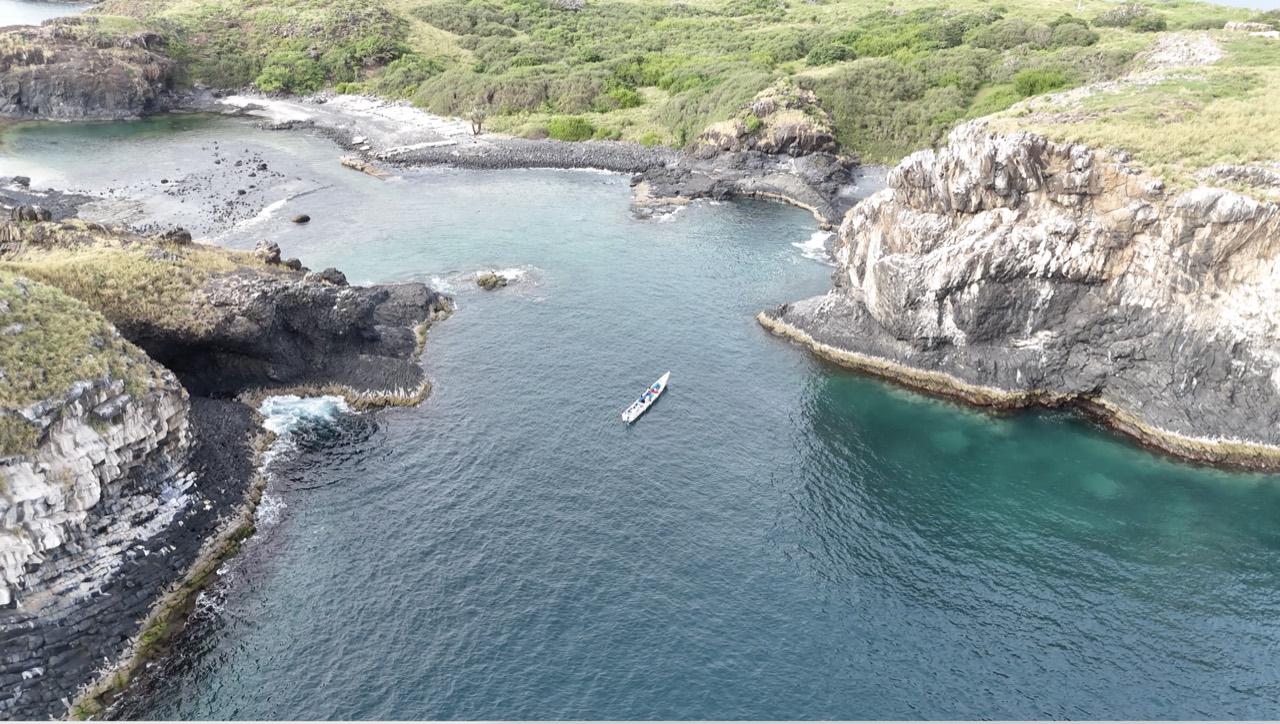
The Île des Madeleines, officially spelled Îles de la Madeleine, is a small volcanic archipelago about four kilometres west of Dakar, facing Soumbédioune bay and the Corniche Ouest. From the shore it is easy to spot: a dark, flat silhouette on the horizon, between the city centre and the Pointe des Almadies. It is so close that you might think you could swim there, yet the short crossing takes you into a completely different world.
The archipelago has two main islands. The larger one is Sarpan Island, also known as Snake Island: this is the one people visit and sail around. Its neighbour, Lougne Island, smaller and steeper, is mainly a refuge for birds and hard to access. Around them, countless rocks and islets break the surface, battered by the Atlantic swell.
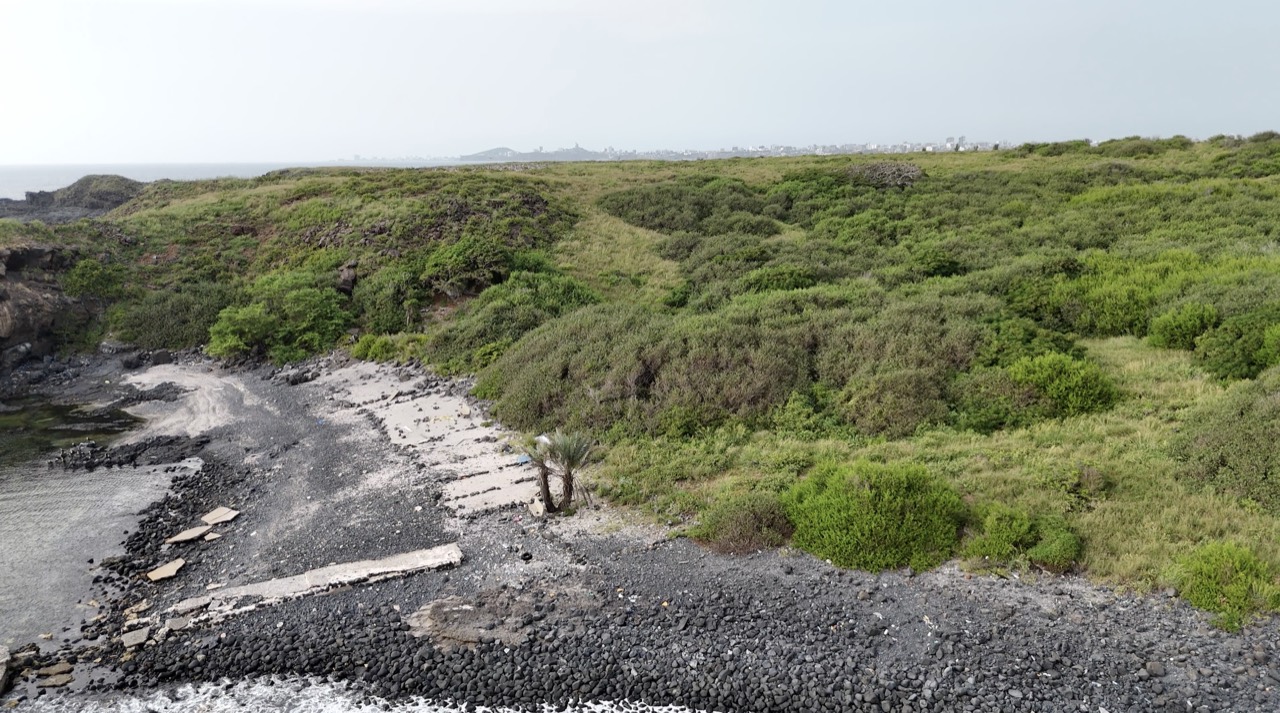
Together they form the Îles de la Madeleine National Park, covering about 45 hectares including the surrounding waters. It is one of the smallest national parks in the world and one of Senegal’s six national parks. The site is uninhabited: no hotel, no restaurant, no road, just cliffs, low vegetation, wind and birds. This contrast with the bustle of Dakar, a few minutes away by boat, is exactly what makes the place so striking.
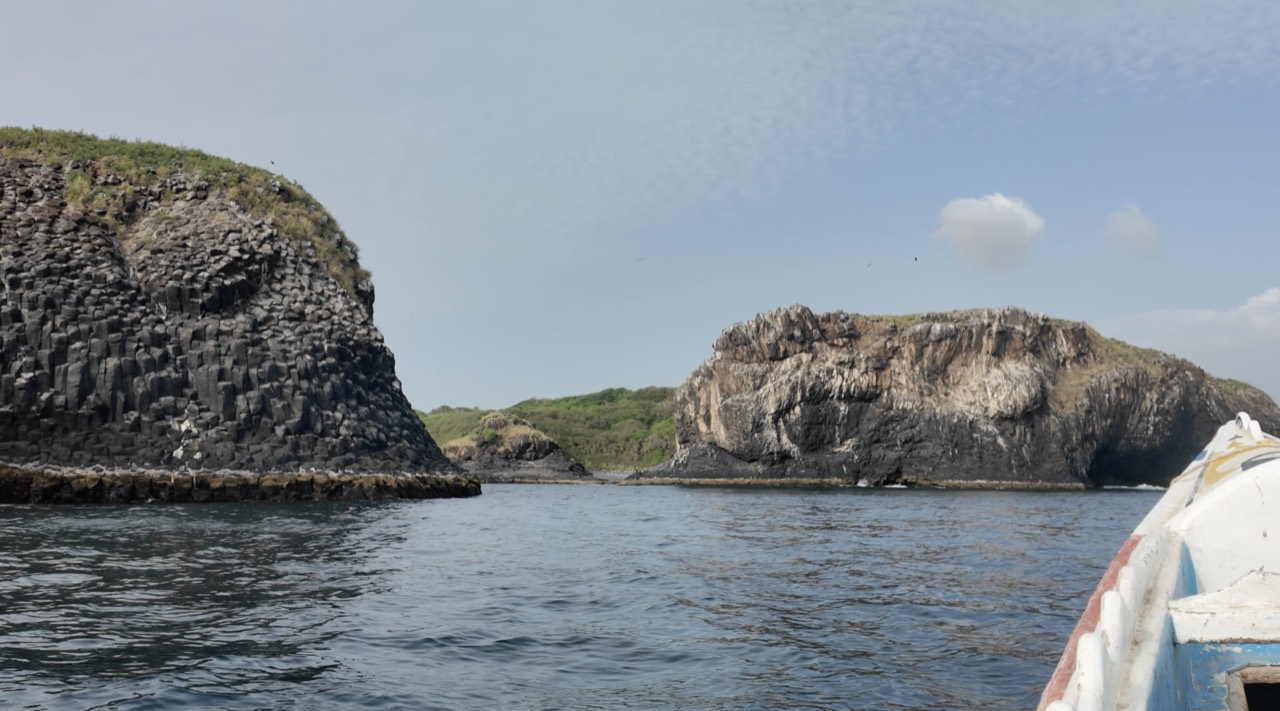
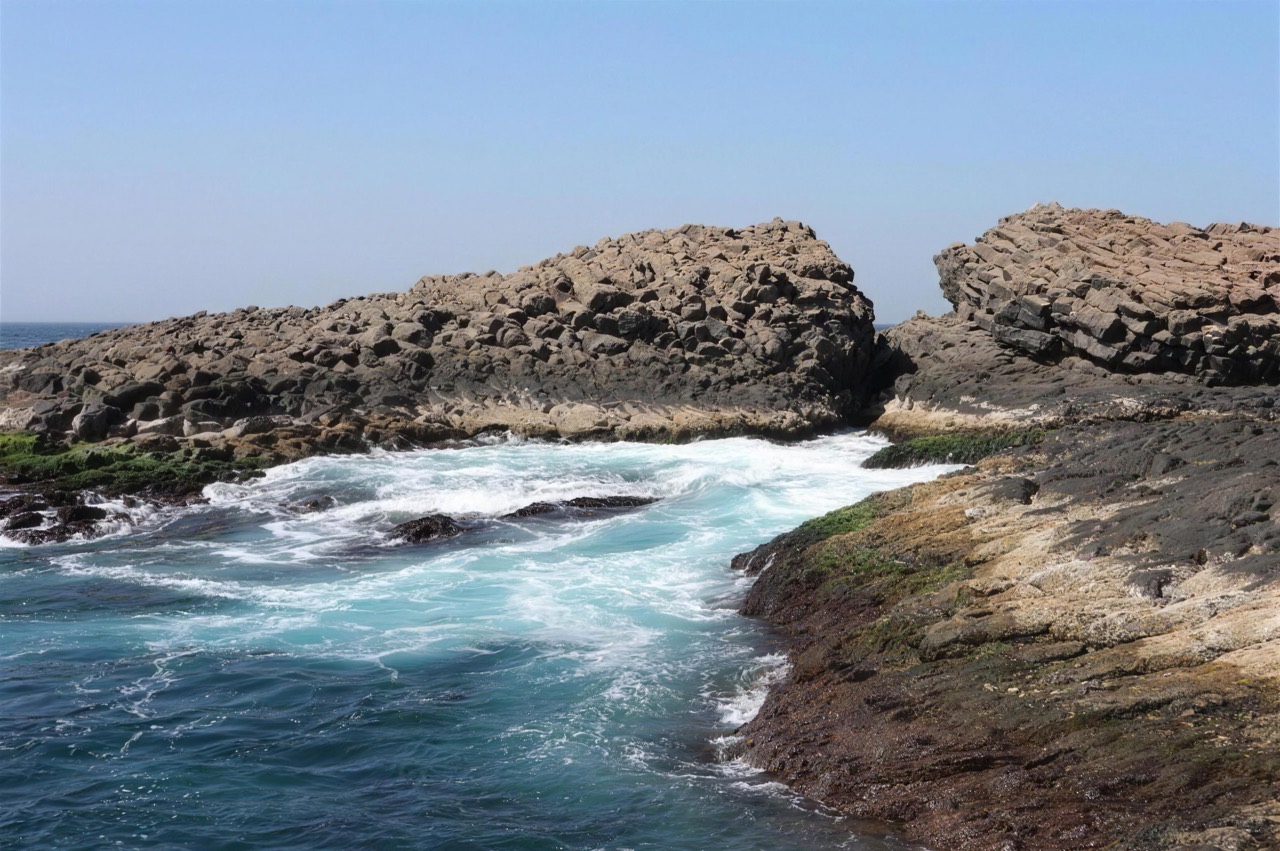
From the sky, the Île des Madeleines looks like a green plateau edged with black cliffs, cut by coves where the water turns turquoise on sunny days. From its top, you can take in the whole Dakar coastline, from the Mamelles lighthouse to the city centre. For photographers and nature lovers alike, it is one of the most beautiful viewpoints over the capital, and one of the few that can only be reached by sea.
History and legends
The history of the Île des Madeleines is much older than Dakar’s. Prehistoric stone tools have been found on Sarpan Island, proof that people passed through thousands of years ago. Later, the archipelago became a landmark for sailors travelling along the West African coast: its distinctive silhouette signalled the approach of Cap-Vert, the westernmost point of the continent.
In the 18th century, the French naturalist Michel Adanson, who gave his name to the baobab (Adansonia), described a gigantic baobab on the island whose trunk bore inscriptions carved by passing sailors. According to his account, it carried names and dates going back to the first European navigators of the 15th and 16th centuries. In the 20th century, the great naturalist Théodore Monod searched for this tree without finding it, which adds to the island’s mystery.
For the Lebou, the historic community of the Cap-Vert peninsula, the Île des Madeleines also has a spiritual dimension. It is associated with the protective spirits of Dakar, and many stories circulate about the origin of the name Snake Island. Some fishermen say you do not go there without respect or without a reason. These stories are part of the archipelago’s identity, and we invite you to listen to them with curiosity if the chance arises.
Protection of the island goes back a long way. The archipelago became a bird reserve in 1949 and was officially recognised in 1964. On 16 January 1976, a decree made it a national park, together with its surrounding waters. In 2005, Senegal submitted the site to UNESCO, which added it to its World Heritage tentative list. Today, the park is managed by the national parks authority, whose rangers look after the wildlife, the plants and compliance with the rules. This long history of protection explains why the Île des Madeleines has kept such a wild face, while the city has grown all around its bay.
Wildlife and plants
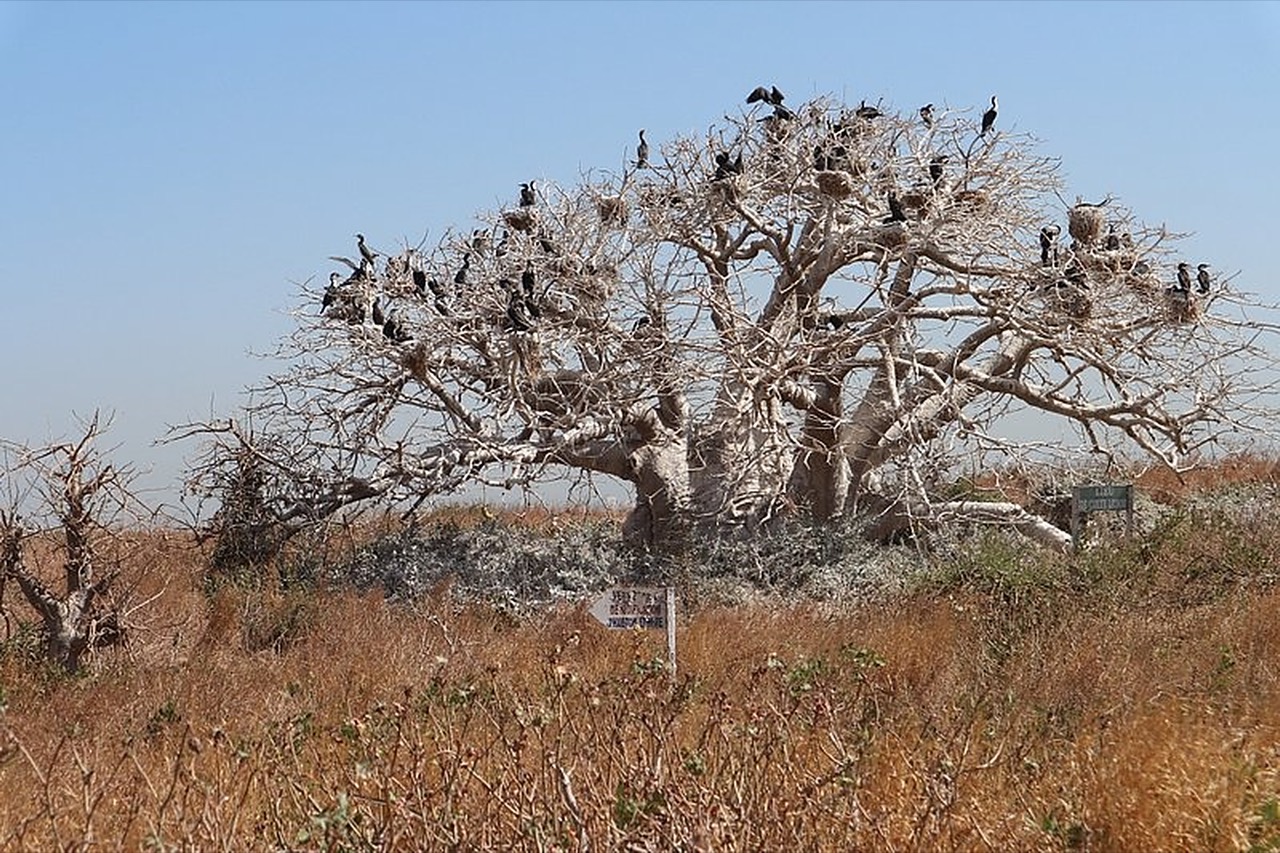
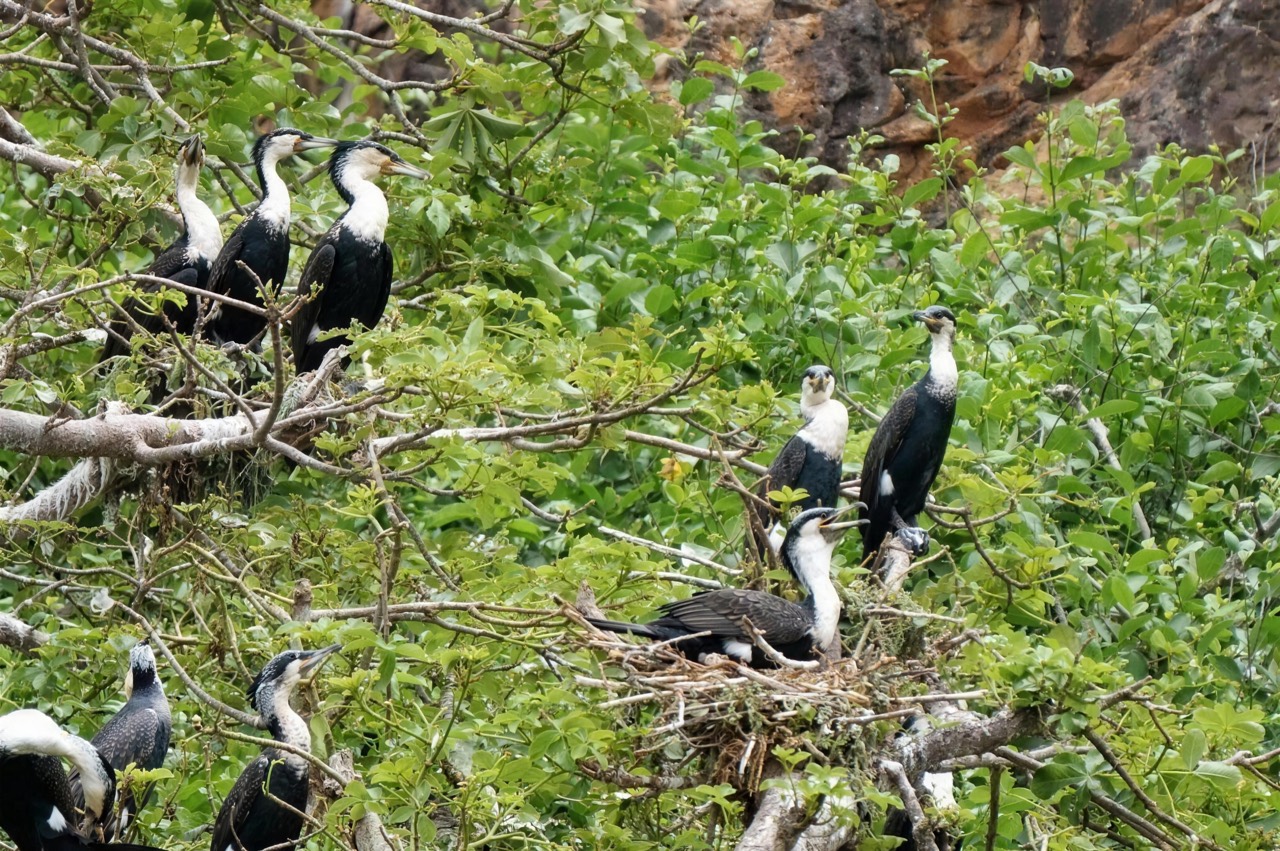
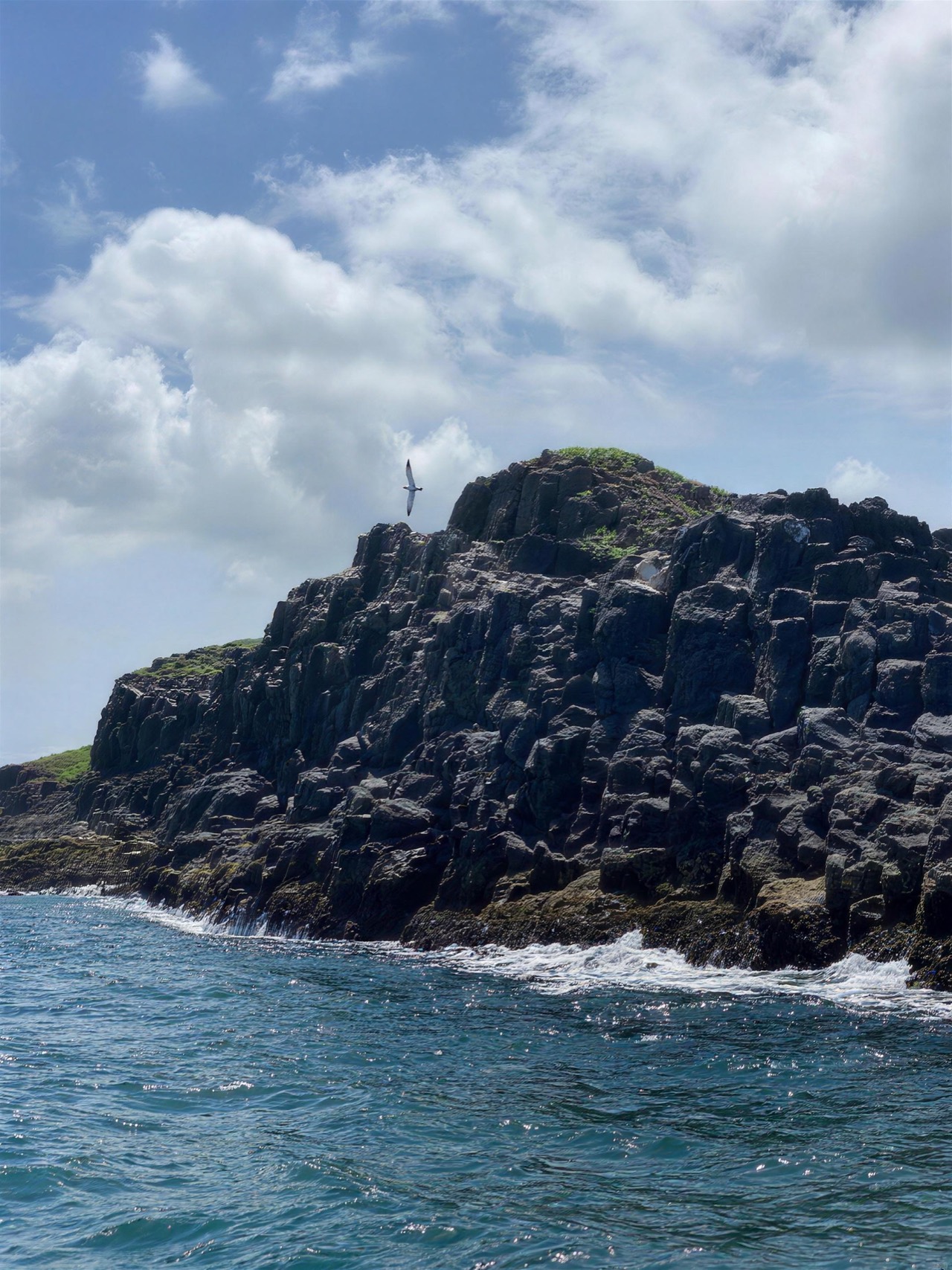
If the Île des Madeleines is protected, it is above all for its seabirds. The archipelago is home to one of the rare red-billed tropicbird colonies on the West African coast: an elegant white bird with a bright red bill and two long tail streamers. You can see it gliding above the cliffs, then disappearing into the cracks in the rock where it nests. Cormorants are everywhere, occupying trees and rocks in noisy colonies, while terns, boobies, ospreys and sometimes peregrine falcons pass through with the seasons.
The plant life is just as surprising. On the plateau of Sarpan Island grows a low savannah of grasses and shrubs, dotted with dwarf baobabs. Constantly lashed by the sea wind, these baobabs do not grow like their mainland cousins: they stay low, twisted, almost creeping, which gives them a unique look. Some serve as perches for cormorants, which whiten them with their droppings and give them a ghostly, very photogenic appearance.
The rest of the wildlife is more discreet. On the island you may come across lizards, geckos and a few harmless snakes, the origin of the nickname Snake Island. During the rainy season, sea turtles are said to come and lay their eggs on the small sandy beach. Underwater, the rocky seabed attracts groupers, barracudas and shoals of fish, which makes the archipelago a site well known to divers and fishermen in the region.
This fragile balance is the park’s reason for being. To preserve it, a few simple gestures matter a lot: throw nothing away, do not feed the birds, avoid loud music near the cliffs, keep your distance from nests and take nothing, no plants, no stones, no shells. Our crews apply these rules on every outing, and we remind our passengers of them before approaching the island.
How to get to the Île des Madeleines
The Île des Madeleines can only be reached by boat. There are two ways to do it, and it is worth understanding the difference before you go.
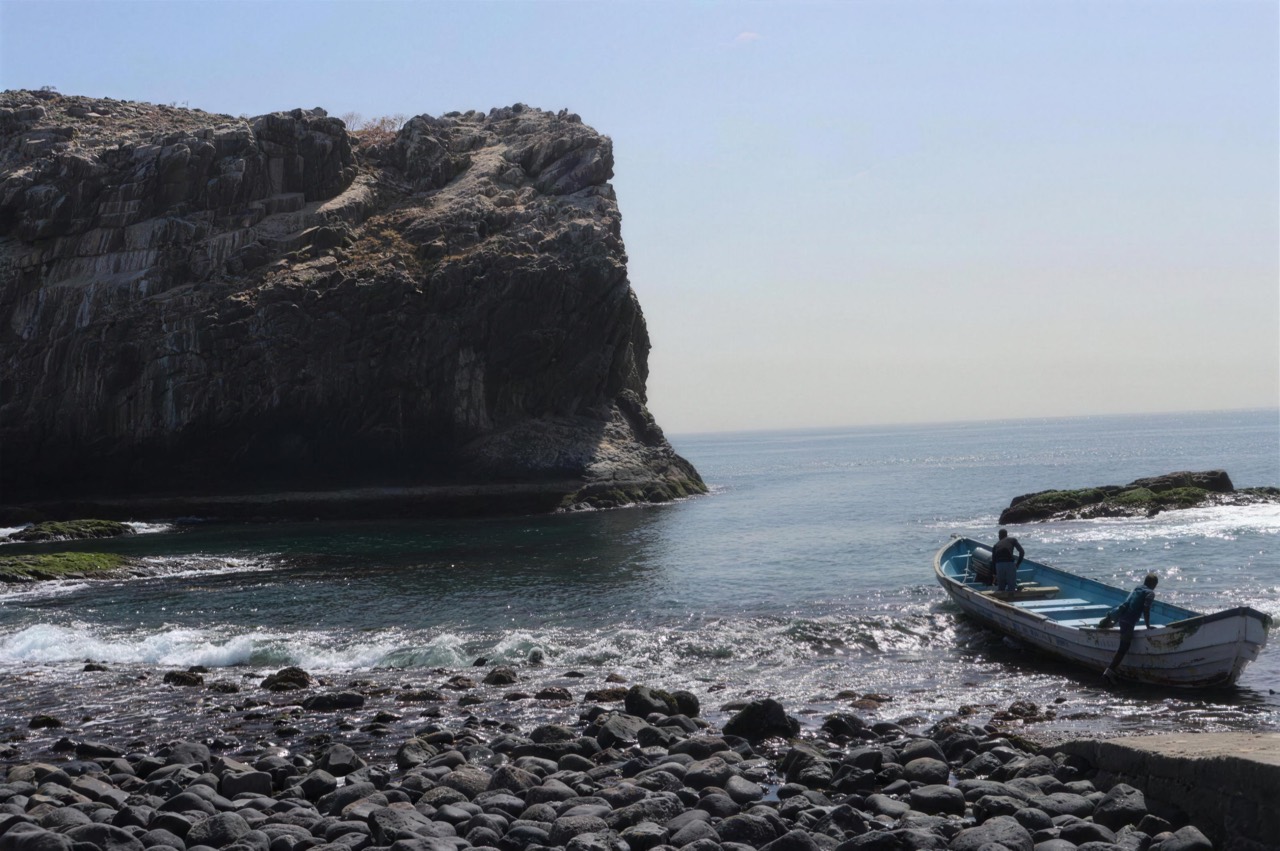
1. Landing with the national park. Landing on the island is regulated. The park’s internal rules, set by an order of June 2024, make access subject to an entrance fee and prohibit landing on the islands or anchoring a boat there without prior authorisation from the authorities. In practice, visits ashore leave from the park’s landing stage on the Corniche Ouest, at Soumbédioune bay, aboard the park’s pirogues and with a guide. Prices published by travel guides mention an entrance fee, a guide fee per group and a price per person for the pirogue, but they change regularly: check directly with the park before you go. The park opens during the day and time on the island is limited, usually to a few hours, to keep the birds undisturbed.
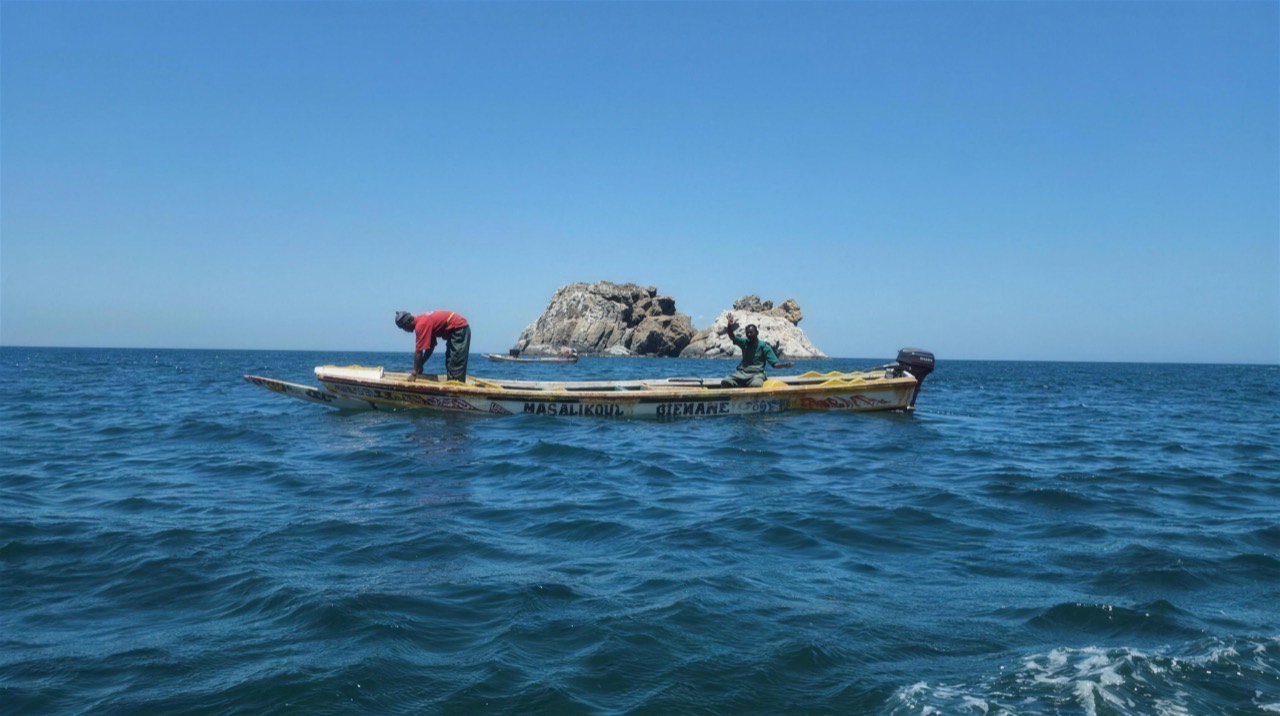
2. Circling the archipelago by private boat. This is what we offer at Senegal Nautique. You board at the Port of Dakar or in Ngor, on a boat just for your group, and discover the Île des Madeleines from the sea: the basalt cliffs, the caves, the turquoise coves, the birds in flight and the view of Dakar. You do not land without the park’s authorisation, but you see the island from its best angles, at your own pace, with a crew and the comfort of a boat.
The two options complement each other. The visit ashore lets you walk among the dwarf baobabs with a park guide. The boat tour lets you see the cliffs and coves you cannot see from the path, add Gorée or the Almadies coast, and enjoy a real outing at sea with friends, family or colleagues.
Either way, the sea decides. In heavy swell or strong wind, crossings may be postponed: it is a matter of safety, for the park’s pirogues as for our boats. We always check the marine forecast the day before and on the day, and we let you know if the outing needs to be moved.
Our boat trip
At Senegal Nautique, the Île des Madeleines is one of our most requested sea outings. We offer it as a private boat trip, with two boats depending on the size of your group: an 8-seat boat, ideal for a couple, a family or a small group of friends, and a large 15-seat boat for birthdays, hen parties and company outings. Departures are from the Port of Dakar or Ngor.
The outing starts with a cruise along the Dakar coast. The Corniche cliffs, the beaches and the city’s neighbourhoods go by, then the boat heads for the archipelago. As you approach, the scenery changes: basalt columns rise above the water, cormorants land on the rocks and tropicbirds circle above the cliffs. The boat then sails slowly around the Île des Madeleines, stopping at the best viewpoints and in sheltered coves, depending on the sea.
You can shape the outing as you like. Many of our guests combine the Île des Madeleines with Gorée for a full half day, or with the Almadies headland and lighthouse. On board, we offer an optional sweet and savoury platter of 26 pieces for 15,000 F or 50 pieces for 30,000 F, perfect for an aperitif facing the city. For a souvenir worthy of the scenery, a drone photoshoot can also be arranged during your outing.
The trip to the Île des Madeleines is quoted on request, as the price depends on the boat, the duration and the stops chosen. As a guide, our private boat trips start at 60,000 F for the Ngor island tour, and longer outings to the islands and Gorée are priced according to the route. Bookings are confirmed with a 30% deposit by Orange Money or Wave. Life jackets are provided and mandatory for all passengers.
Heading for the Île des Madeleines?
Private 8 or 15-seat boat from the Port of Dakar or Ngor, life jackets provided, platter on board as an option. Quote on request.
Ask for a quoteWhen to go and our tips
You can discover the Île des Madeleines all year round, but some periods are more pleasant than others. From November to June, during the dry season, the sky is often clear and the sea generally calmer in the morning. It is also when bird activity is at its liveliest. During the rainy season, from July to October, the island’s vegetation turns bright green, but the sea can be rougher and outings depend more on the weather.
As for the time of day, we recommend the morning or late afternoon. In the morning the sea is often smoother and the light soft; at the end of the day, the low sun brings out the relief of the basalt and colours the city in the background. The colour and clarity of the water in the coves change with the wind, swell and sunshine: some days the turquoise is spectacular, other days the water is darker. We cannot guarantee it, but the Île des Madeleines is impressive in all conditions.
As for gear, bring sun protection, a hat, sunglasses, water and a light windbreaker, as it is often cooler at sea than on the beach. If you plan to land with the park, closed shoes are essential: the ground is rocky and the shoreline rocks may hide sea urchins. For photos, a phone in a waterproof pouch is enough; keen photographers will bring a telephoto lens for the birds.
Finally, remember that the Île des Madeleines is a national park and a sacred place for some of Dakar’s residents. Approach the cliffs quietly, leave the birds in peace and leave no trace of your visit. It is the best way to enjoy this exceptional site, and to let future visitors discover it as wild as you did.
The Île des Madeleines and Dakar’s other islands
Dakar has several islands, and they are easily confused. Gorée Island, twenty minutes by ferry from the port, is inhabited, a UNESCO World Heritage site and famous for its House of Slaves, colourful lanes and museums. Ngor Island, in the north of the peninsula, is a small village of fishermen and artists’ houses, with beaches and surf spots, a few minutes by pirogue from Ngor beach. The Île des Madeleines is the only completely wild and uninhabited island in Dakar: a national park, with no buildings, devoted to birds and nature.
Nor should it be confused with the Îles de la Madeleine in Quebec, Canada, an archipelago of several thousand inhabitants in the Gulf of St. Lawrence. The name is the same, but everything else differs: climate, size, landscapes. When you look up information for your trip to Senegal, add “Dakar” or “Senegal” to your search to find the right archipelago, and be wary of photos of red dunes and colourful houses, which are from Quebec.
Finally, within the Senegalese archipelago itself, several names are used. The main island is called Sarpan, or Snake Island, and it is the one most often referred to as the Île des Madeleines. We have devoted a separate article to it: our Sarpan Island guide details the boat trip around the islet. Its neighbour Lougne, smaller and steeper, is mainly a refuge for birds.
If you have a whole day, nothing stops you combining several islands. A sea outing can link the Île des Madeleines and Gorée, or the Madeleines and the Almadies coast up to Ngor. For a first discovery of Dakar from the sea, it is an excellent way to understand the geography of the Cap-Vert peninsula and to see, in a few hours, its most different faces: the city, history and wild nature. Find all our outing ideas in our guide to boat trips in Dakar.
Frequently asked questions
Where is the Île des Madeleines?
About four kilometres west of Dakar, facing Soumbédioune bay and the Corniche Ouest. The archipelago, officially called Îles de la Madeleine, has two main islands: Sarpan and Lougne.
How do I get to the Île des Madeleines?
Only by boat. To land, you go through the national park, whose pirogues leave from the Corniche Ouest. To circle the archipelago by private boat, Senegal Nautique departs from the Port of Dakar or Ngor, on a quote.
Can you land on the Île des Madeleines?
Yes, but only within the framework set by the national park: entrance fee, guide and authorisation. The rules prohibit landing or anchoring without prior authorisation. Our outings take place from the sea.
How much does a trip to the Île des Madeleines cost?
With Senegal Nautique, the private boat tour of the archipelago is quoted on request, depending on the boat, duration and stops. The park’s visits ashore have their own prices, to be checked with the park.
Which birds can you see on the Île des Madeleines?
Mainly cormorants and the rare red-billed tropicbird, as well as terns, boobies, ospreys and sometimes peregrine falcons, depending on the season.
Why is it called Snake Island?
Sarpan Island, the largest in the archipelago, also bears this name, linked to the small harmless snakes that live there and to several Lebou legends.
What is the best time to visit the Île des Madeleines?
The dry season, from November to June, often brings a calmer sea and clear skies. Morning and late afternoon are the best times of day.
Can you combine the Île des Madeleines with Gorée?
Yes, it is one of our favourite options: half a day at sea between the archipelago and Gorée Island, by private boat. Ask us for a quote with your dates and number of people.